Frequent Asked Questions
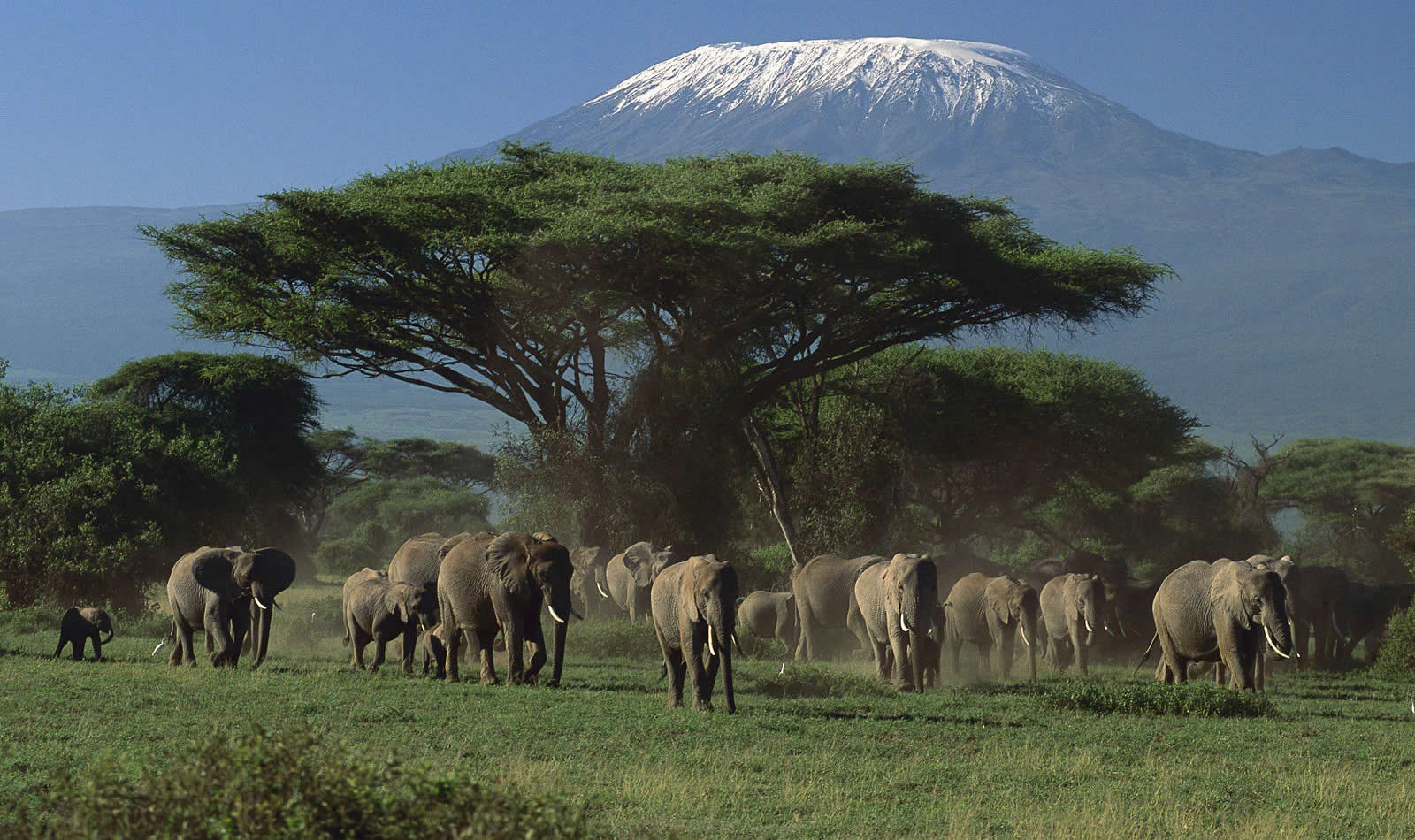
Kilimanjaro Mountain asked questions
Which months favor the climbing of Kilimanjaro Mountain?
It is possible to trek the mountain throughout the year but during some months the condition is adverse. During some months there could be bad weather conditions such as excessive rain, winds, snow/ice and extreme cold can be draining on the body and significantly. Due to this condition the possibility of summiting is lowered. The best months to climb Mount Kilimanjaro include; January, February, September & October. June to August, are characterized by cold temperature and dry weather. Rains occur in March, November and December. April and May receive heavy rains and hence not conducive for climbing the mountain. If you are considering climbing in the wetter months, the Rongai route is recommended since the northern side of the mountain receives less precipitation. As you can expect, the months with conducive climbing conditions are also the busiest months in terms of the number of people on the trails.
How many days does it take to climb Kilimanjaro?
The shortest route to the summit taken by most trekkers is Marangu route which can be done in four nights, five days. Marangu route also has the highest failure rate when it comes to summiting. Why? Because reaching the summit is not just about a climbers' physical fitness level, but also whether the climbers' body have adequate time on the mountain to acclimatize to the high altitude. There is a definite correlation between the number of days spent on the mountain and reaching the top – the longer the climb, the better the chances of summiting. Our advice is whatever route you select add an acclimatization day and have a safe and enjoyable climb. Opting on a short route and climbing based on the minimum number of days may seem like a good idea to save costs but in reality you significantly reduce your chances of summiting and if you are traveling all the way to Tanzania for the purpose of climbing Kilimanjaro, the additional cost of an acclimatization day is well worth it and overall will make for a safer and more enjoyable climb.
Which route should I take to climb Kilimanjaro?
There are more or less six established ascent routes – Marangu, Machame, Lemosho, Shira, Rongai and Umbwe. The Lemosho and Shira routes start from the west side of the mountain, while Machame and Umbwe routes approach the mountain from the south. The Marangu route starts from the southeast and lastly, the remote Rongai route commences from the north close to the Kenyan border. In determining which route to select, consider the route's difficulty, the number of days (longer is better to allow your. body to acclimatize) and your preferences when it comes to traffic on the trail and scenery. Route Minimum Number of Days to Climb* Difficulty Level Trail Traffic
Can you give brief information on each route?
MARANGU ROUTE
Also referred to as the "Coca-Cola" route, it is often considered the easiest route on Kilimanjaro given its gradual incline and short duration, but misleading due to the high failure rate to summit. The ascent and descent routes are on the same path and it is the second most popular route after Machame so the traffic on the trail is high. The Marangu route is considered the least scenic of the six routes. Marangu is the only route which offers dormitory style accommodations in small basic huts. Climbers are supplied with bunks beds, mattresses and pillows, but climbers are required to provide their own sleeping bags. The huts have communal dining areas and basic washrooms.
MACHAME ROUTE
Often referred to as the "Whiskey" route, Machame is the most popular route on the mountain and the trail is busy during the high season. Machame route is very scenic and the trail takes climbers through the montane forest, the moorlands of Shira Plateau, the barren and rocky landscape around Lava Tower, into Barranco Valley with its unique and indigenous vegetation. Climbers will experience breathtaking views from the top of Barranco Wall and a good glimpse Kibo's Southern Icefield from Karanga Valley. The Machame route descends using the Mweka route. Machame is considered a more difficult route than Marangu with longer climbing days and steeper trails and climbers sleep in tents at designed campsites for the duration of the climb.
LEMOSHO ROUTE
The Lemosho route, similar to Machame, takes climbers through breathtaking scenery and ever changing landscapes and due to its low traffic and high summit rate, it is a good choice for those climbers with hiking and camping experience and time to do a longer climb. Lemosho route also winds through lush montane forest on day 1 before ascending to endless vistas of the moorlands and the Shira Plateau on day 2. Typically on day 3 or 4 (depending on the number of days you choose) Lemosho meets up with the popular Machame route near Lava Tower. As with Machame, the Lemosho route descends using the Mweka route. The minimum number of days required for this route is six days, although eight days is recommended to best enjoy the scenic trail at a leisurely pace.
SHIRA ROUTE
The Shira route is nearly identical to Lemosho but bypasses the trek through the montane forest and the climb starts at a much higher elevation on the Shira Plateau. Some climbers may experience symptoms of high altitude from day 1 if they fail to quickly acclimatize to the high elevation. Shira route meets up with Lemosho on day 2 and follows the same trail for the remainder of the climb.
RONGAI ROUTE
The remote Rongai route starts near the Kenyan border and has low traffic compared to the Marangu and Machame routes. Rongai is also a good choice for climbers in the rainy season as the northern side of the mountain receives less rain than the other routes starting from the west and south. Rongai route winds through remote and wilderness areas with very few climbers before meeting up with the popular Marangu route at Kibo camp. Rongai route descends down the Marangu route.
UMBWE ROUTE
The short and steep Umbwe route is widely considered the most challenging and difficult route on Mount Kilimanjaro. Due to its fast ascent, only those climbers who are physically fit and confident with their ability to acclimatize should attempt this route. The fast elevation gain on this route usually does not allow for a climber's body to proper acclimatize if attempted in the minimum number of days and accordingly, there is a high failure rate to reach the summit. Umbwe route meets up with Machame, Lemosho and Shira at Barranco Camp and then follows the southern circuit to the summit and descends using the Mweka route